










1. Introduction: The Intersection of History and Entertainment through Coins and Games
Throughout human history, objects like ancient coins have served as tangible links to the past, offering insights into civilizations long gone. These artifacts are not only valuable for their material and artistic qualities but also for their educational potential, revealing aspects of economies, political regimes, and cultural symbolism.
In parallel, modern entertainment mediums—especially digital gaming—have evolved into powerful platforms for storytelling and cultural preservation. Today’s games often draw inspiration from history, mythology, and art, creating engaging experiences that educate as well as entertain.
The purpose of connecting ancient history with contemporary entertainment is to foster a deeper appreciation of our shared cultural heritage, making learning immersive and accessible. By exploring these links, we see how the past continues to influence our present in both subtle and profound ways.
Table of Contents
- The Role of Ancient Coins in Preserving History and Culture
- From Ancient Currency to Modern Representation: Visual and Symbolic Continuity
- The Evolution of Entertainment: From Public Spectacles to Digital Games
- Modern Games as Cultural Narratives: Bridging Ancient History and Player Engagement
- Mythology and Its Modern Reinterpretation in Gaming
- Educational Value of Modern Games Featuring Ancient Themes
- The Non-Obvious Depths: Cultural Significance and Cross-Disciplinary Insights
- Future Perspectives: Enhancing Cultural Appreciation through Interactive Media
- Conclusion: Embracing the Continuity of History and Entertainment
2. The Role of Ancient Coins in Preserving History and Culture
Ancient coins are invaluable artifacts that encapsulate the economic, political, and artistic achievements of their civilizations. They often feature iconography, inscriptions, and imagery that reflect a ruler’s authority, religious beliefs, or cultural values. For example, the Greek drachma and Roman denarius offer insights into the political propaganda and artistic styles of their eras.
Famous coins such as the Greek Tetradrachm depicting Alexander the Great or Roman coins bearing images of emperors serve as historical milestones. These artifacts reveal not only economic transactions but also serve as symbols of sovereignty and cultural identity. For instance, the depiction of deities like Athena or Zeus on coins underscores the religious importance and mythological narratives central to those societies.
As tangible links to the past, coins allow historians and enthusiasts to reconstruct economic systems, political hierarchies, and cultural priorities, making them crucial for understanding civilization’s development.
3. From Ancient Currency to Modern Representation: Visual and Symbolic Continuity
The artistic elements found in ancient coins—such as intricate engravings, symbolic motifs, and mythological figures—have significantly influenced modern design, especially in branding, art, and entertainment. The visual language of ancient iconography continues to resonate, creating a sense of continuity across millennia.
The symbolism of deities and mythological figures, like Zeus or Athena, appears repeatedly in modern media, including video games, movies, and branding. These characters embody themes of power, wisdom, and divine intervention, which continue to captivate audiences.
Case study: The depiction of Zeus on ancient coins exemplifies how mythological figures have persisted through history. In modern media, Zeus’s image is often reinterpreted—seen in movies like Marvel’s Thor or in video games—maintaining their symbolic significance and cultural relevance.
4. The Evolution of Entertainment: From Public Spectacles to Digital Games
Historically, large-scale entertainment events, such as the Theatre of Dionysus in Athens, served as communal gatherings that celebrated cultural identity and mythology. These events laid the groundwork for storytelling traditions that persist today.
The emergence of game mechanics inspired by historical themes—such as chance-based systems like the Megaways grid—reflects the ongoing influence of history and myth in gaming. These mechanics often incorporate elements of randomness and strategy reminiscent of ancient gambling or decision-making practices.
Storytelling remains central, connecting past narratives with contemporary entertainment. Modern games often draw from ancient myths and historical events, providing players with immersive experiences that blend education and fun.
5. Modern Games as Cultural Narratives: Bridging Ancient History and Player Engagement
Video games and online slots frequently incorporate historical facts and mythologies to create engaging worlds. This approach not only entertains but also educates, allowing players to explore ancient cultures through interactive storytelling.
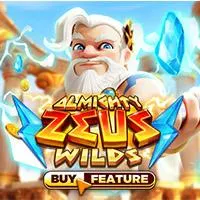
For example, titles like more info on Le Zeus demonstrate how Greek mythology is woven into gameplay, providing an experience rooted in cultural heritage. Such games enhance immersion by using symbols, narratives, and aesthetics derived from ancient Greece, making learning about mythology a natural part of gameplay.
This blending of education and entertainment fosters curiosity and understanding, especially among younger audiences who might not otherwise engage with historical topics.
6. Mythology and Its Modern Reinterpretation in Gaming
Mythological stories, such as Pegasus’s creation from Medusa’s blood or Zeus’s thunderbolt, continue to inspire game design, creating dynamic narratives and characters. These stories provide rich material for developers to craft engaging worlds that resonate with players’ interests in heroism, divine power, and adventure.
Mythological characters and artifacts often serve as symbols within games, representing power, wisdom, or danger. Their portrayal influences player experience, providing layers of meaning that enrich gameplay and foster learning.
The impact of mythological storytelling extends beyond entertainment, shaping cultural perceptions and encouraging curiosity about ancient beliefs and legends.
7. Educational Value of Modern Games Featuring Ancient Themes
Modern games can act as informal educational tools, offering engaging ways to learn about history, mythology, and art. They provide accessible platforms for exploring complex topics without the need for formal study.
Balancing entertainment and education is key. Titles like more info on Le Zeus exemplify how thematic content rooted in ancient Greece can enhance understanding while maintaining gameplay enjoyment.
However, limitations include oversimplification or misrepresentation of historical facts. Nonetheless, when designed thoughtfully, these games deepen cultural awareness and foster interest in history.
8. The Non-Obvious Depths: Cultural Significance and Cross-Disciplinary Insights
| Aspect | Insight |
|---|---|
| Iconography | Ancient coin symbols influence modern branding, from corporate logos to sports team emblems. |
| Game Mechanics | Systems like Megaways reflect historical concepts of randomness and chance, illustrating cross-disciplinary influences. |
| Interdisciplinary Links | Archaeology, mythology, and game design converge, fostering a richer understanding of cultural evolution. |
These connections highlight how ancient symbols and concepts continue to shape various fields, demonstrating the importance of interdisciplinary studies in understanding cultural continuity.
9. Future Perspectives: Enhancing Cultural Appreciation through Interactive Media
Technologies like augmented reality (AR) and virtual reality (VR) hold promise for recreating ancient sites and coins with unprecedented detail and interactivity. Such tools can deepen engagement, making history tangible and immersive.
Developing educational games that accurately depict historical contexts—combining scholarship with engaging gameplay—can further bridge the gap between learning and entertainment. Initiatives involving educators and developers can ensure cultural accuracy while maintaining fun.
Creators and educators play vital roles in shaping culturally rich media, fostering curiosity, and promoting a nuanced understanding of history among diverse audiences.
10. Conclusion: Embracing the Continuity of History and Entertainment
Connecting ancient coins and symbols with modern games exemplifies how cultural heritage persists and evolves. These links serve as educational bridges, making history accessible and engaging for new generations.
By appreciating the historical roots of symbols, narratives, and game mechanics, players and enthusiasts alike can develop a richer understanding of our collective past. As technology advances, the potential for immersive, educational entertainment grows—ensuring that the dialogue between history and entertainment continues to thrive.
“Understanding the past through modern mediums not only preserves our history but also enriches contemporary culture, creating a continuous dialogue between generations.”
In essence, the enduring influence of ancient coins, mythologies, and cultural symbols underscores the importance of integrating history into our entertainment narratives. This synthesis fosters respect, curiosity, and a deeper appreciation of the diverse threads that weave our shared human story.